
Value addition EDITION. Seeing Ordinary Products Differently and Turning Small Ideas into Scalable Opportunities.
A New Way to See Business
Everywhere you look, there’s opportunity but not everyone sees it!
Some see problems. Others see potential.
Entrepreneurs? We learn to look through a different lens.
Welcome to The Opportunity Lens, a new segment inside Inside the Arena dedicated to helping entrepreneurs spot opportunities in everyday problems, solve them creatively, and scale them into real businesses.
Each edition will zoom in on one business idea worth exploring, breaking down what problem it solves, how it creates value for others, and how you can capture value for yourself to build a sustainable, impactful business.
In this first feature, we’re looking at one of the most practical and profitable opportunities hiding in plain sight, Value Addition.
What Is Value Addition?
Value addition simply means increasing the worth of something by changing its form, packaging, or how it’s delivered.
Think about it like this 👇
A farmer sells raw mangoes for KSh 10 each.
Another person dries those mangoes, seals them in a nice pack, and sells it for KSh 150.
I have seen Beyond Fruits, a company that retails fruits and vegetables, slice the same mango fruit – add the famous mango chili on it and sell the same for triple the price!
Same fruit. Different value.
The second person has added value not by owning a big factory, but by solving a simple problem: mangoes go bad fast, and people love convenient snacks.
That’s what value addition is, seeing what people need and adjusting a product to meet that need.
SPOT IT – Find the Opportunity
Every year, tonnes of produce in Kenya go to waste. Vegetables wilt, fruits over-ripen, milk spoils, and farmers lose income.
At the same time, consumers in towns pay premium prices for the same produce only this time, cleaned, dried, packaged, and branded.
That gap between what farmers earn and what consumers pay is where value addition lives and it’s one of the clearest paths to building a business that creates and captures value sustainably.
Value addition isn’t about owning a factory.
It’s about seeing where value gets lost in the chain and designing a solution that brings it back.
Why Value Addition Is a Big Opportunity
Market gaps you can turn into business models:
- Perishability → Stability: Fresh produce spoils fast. Drying, pasteurizing, freezing, fermenting, or pickling buys you months instead of days.
- Inconvenience → Convenience: Busy customers pay for cleaning, chopping, blending, portioning, pre-cooking, and ready-to-use packs.
- Inconsistency → Standardization: Grading, portion control, and recipe consistency are worth money to restaurants and brands.
- Information Gap → Trust: Labelling, nutrition info, and clean branding help consumers choose quickly and pay a premium.
- Fragmented Supply → Reliable Offtake: Organizing smallholders and signing purchase plans unlocks stable volumes (and better pricing for you).
Examples across categories:
- Leafy vegetables: Dehydrated or powdered managu/spider plant for year-round use (Mace Foods, Sweet ’n Dried).
- Roots & herbs: Ginger-lemon wellness shots; ginger paste cubes (Nature’s Best).
- Tomatoes: Sun-dried tomatoes, stew bases, or sauces.
- Pumpkin & cassava: Purée or flour for gluten-free and porridge markets.
When you learn to spot where value disappears, you’ve already found your opportunity.
SOLVE IT – Turn the Problem into a Product
Once you’ve spotted a problem, the next step is to design a solution that adds value.
This is where creativity meets clarity, taking something raw and reimagining it for a specific customer.
Here’s how Kenyan entrepreneurs have done it with one humble crop, the potato.
Example 1 – Solving Perishability through Branding
Some entrepreneurs noticed that raw potatoes spoil fast, and consumers want ready-to-eat snacks.
So they began slicing, frying, flavoring, and packaging them into crisps.
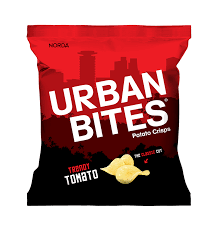
Example: Norda Industries, manufacturers of Urban Bites and Ringoz.
- Problem solved: Short shelf life and lack of trusted snacks.
- Value created: Convenience, taste, and trust.
- Value captured: Brand recognition and retail distribution.
Lesson: Branding turns a commodity into a product.
Example 2 – Solving Kitchen Inefficiency
Restaurants and caterers waste hours peeling and cutting potatoes daily.
Entrepreneurs built processing units that deliver pre-peeled, pre-cut, ready-to-cook fries.
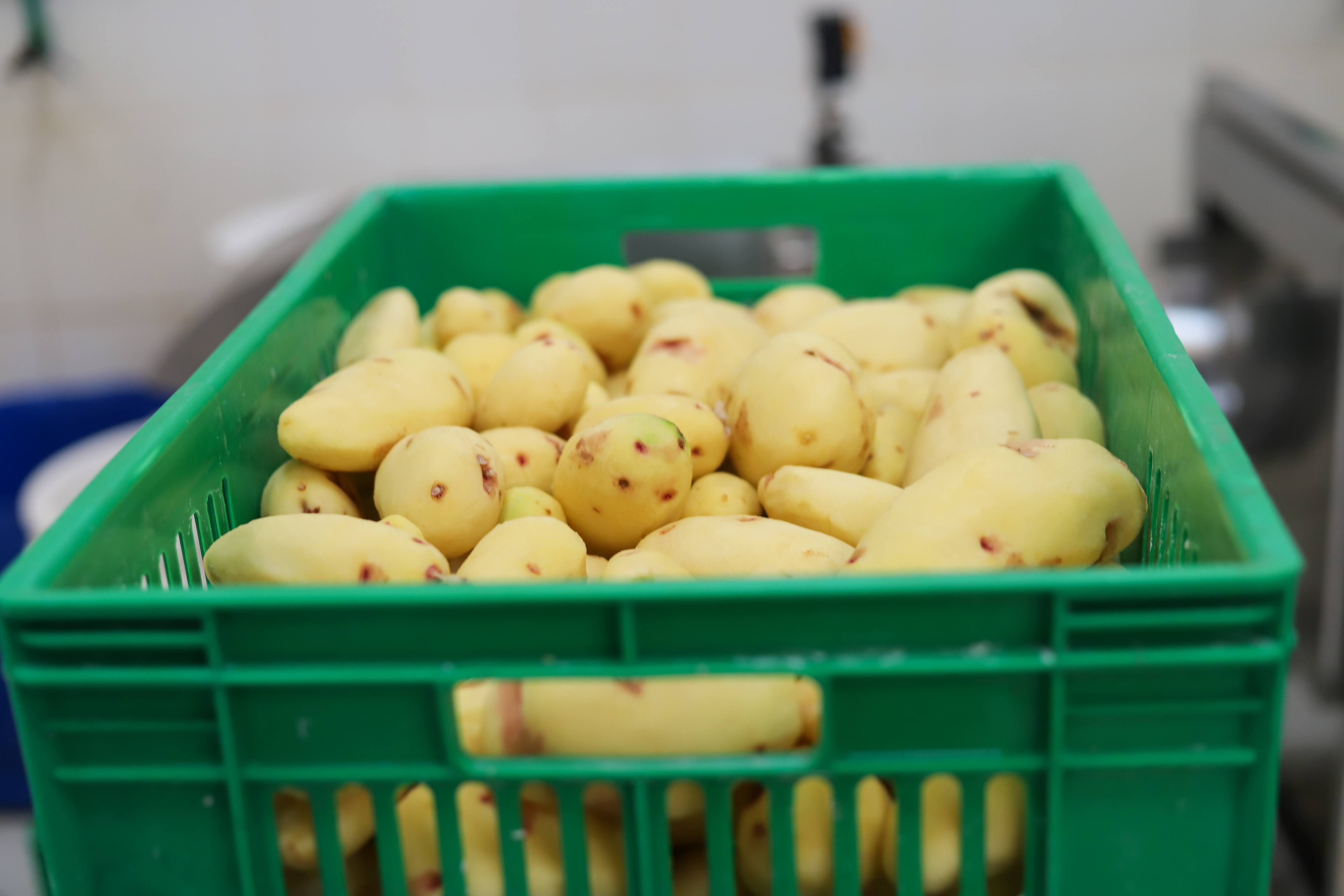
Example: Wedgehut Foods, based in Ruiru.
- Problem solved: Labor and time in food prep.
- Value created: Convenience, consistency, reliability.
- Value captured: B2B contracts and repeat orders.
Lesson: Efficiency is value. If you can save people time, you’ll never lack customers.
Example 3 – Solving Accessibility for Street Vendors
Hawkers and kiosk owners need affordable, ready-to-fry potatoes every morning.
Small processors began peeling, slicing, and selling par-fried potatoes in small quantities.

- Problem solved: Access to fresh, ready-to-fry chips.
- Value created: Daily supply for vendors.
- Value captured: Fast cash turnover and consistent local demand.
Lesson: You don’t need big machines to add value.
SCALE IT – Build Systems That Grow
Once you’ve solved a real problem, scaling becomes simpler because your product already has demand.
The goal now is to build systems that make your solution repeatable, consistent, and profitable.
Five Simple Ways to Consider When Scaling
- Clarify your supply. Secure reliable sourcing from farmers, markets, or cooperatives.
- Standardize your process. Create consistency in quality, packaging, and delivery.
- Choose your growth channel.
- Retail: Build your brand and distribution.
- B2B: Strengthen contracts and service reliability.
- Informal: Expand routes and repeat customers.
- Know your numbers. Track cost per unit, profit margin, and yield. Your numbers tell you when it’s time to scale.
- Build trust. Clean packaging, good hygiene, and honesty will grow your customer base faster than advertising ever will.
💭 Scaling isn’t about growing fast — it’s about growing right.
Final Thought
Value addition is more than a process, it’s a perspective.
It teaches you to spot opportunity where others see waste, solve real problems with creativity, and scale sustainably by building systems that work.
So next time you’re at a market or a farm, ask yourself:
“What’s one thing here I could make better, easier, or longer-lasting and build a business around it?”
Spot the gaps.
Solve with purpose.
Scale with systems.
That’s where every great opportunity begins.
Ready to Spot, Solve, and Scale Yours?
If you already have a business idea or product in mind but you’re unsure how to structure it, position it, or scale it sustainably, I can help.
👉 Book a Clarity Call
Together, we’ll refine your idea, map your customer journey, and turn your concept into a clear, actionable business model.
Opportunities are rarely found, they’re created by people who choose to see differently.